
Zulupack® Blog
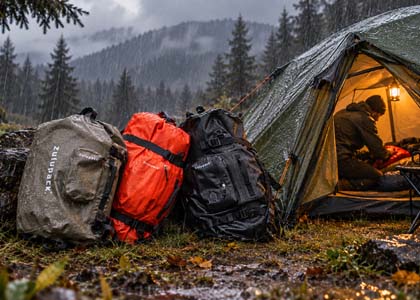
Rain doesn't have to ruin a camping trip — but it does change the way you need to pack and organise your gear. From keeping sleeping clothes dry to separating muddy shoes and wet equipment, a few simple habits can make a huge difference. Discover practical tips and waterproof camping gear that can help you stay organised, comfortable and prepared when the weather turns wet.
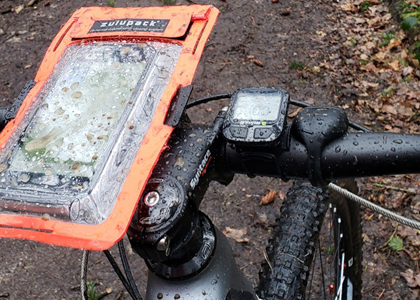
Phones, passports, car keys and other small valuables don't take up much space, but getting them wet can quickly turn an outdoor adventure into a problem. Whether you're hiking in the rain, kayaking, paddle boarding or travelling, this guide explains how to protect your phone, documents and essentials from water — without burying everything at the bottom of your backpack.
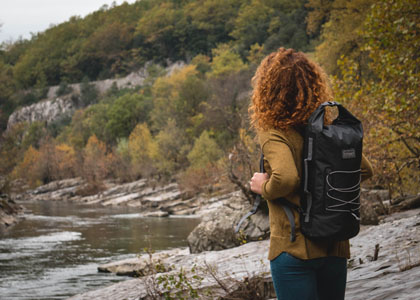
The best travel backpack isn't simply the biggest one you can carry. The right choice depends on where you're going, how long you'll be away and what you need to protect along the way. From weekend escapes and backpacking trips to longer adventures, this guide explains how to choose the right backpack size, carrying system, organisation and waterproof protection for the way you travel.
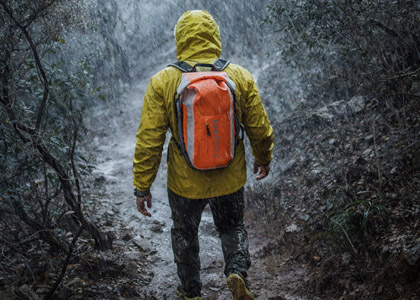
Rain doesn't have to ruin a great hike. With the right hiking rain gear, smart packing and reliable waterproof storage, wet weather can become part of the adventure rather than a reason to turn back. Discover what to pack for hiking in the rain, how to keep your backpack, phone and essential gear dry, and how to prepare for unpredictable weather on the trail.
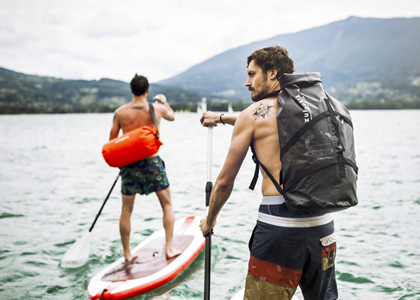
Less Gear, Better Organisation, More Time on the Water
Stand up paddle boarding is beautifully simple.
A board, a paddle and a stretch of water can be enough to turn an ordinary summer afternoon into an adventure.
But once you start paddling further from shore, exploring rivers and coastlines or spending several hours on your SUP, a few carefully chosen pieces of equipment make a huge difference.
The challenge is finding the balance.
Take too much and your board becomes cluttered. Take too little and a sudden change in weather, an empty water bottle or a soaked phone can quickly spoil your day.
A good paddle boarding checklist therefore isn't about bringing everything you might possibly need. It's about packing the essentials, keeping them organised and making sure anything that needs to stay dry actually does.
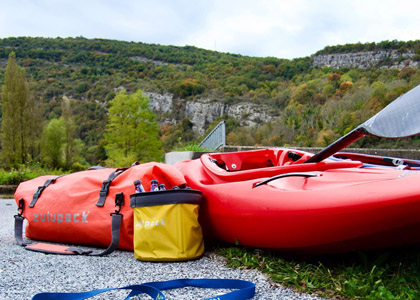
Pack Smart, Paddle Further and Keep Your Gear Dry
Few outdoor activities combine freedom, exploration and simplicity quite like kayaking.
You can spend a relaxed afternoon paddling across a lake, follow a winding river through the countryside or load your kayak with camping equipment and disappear for several days.
But once you leave the shore, everything you bring with you has to deal with one unavoidable element: water.
Paddle drips, waves, rain, wet clothing and accidental splashes can quickly soak equipment that wasn't packed properly. And on a multi-day kayaking trip, a wet sleeping bag or change of clothes is much more than a minor inconvenience.
That's why a good kayaking checklist isn't simply about remembering what to bring. It's also about deciding where and how to pack it.
Here's what you should consider before your next kayaking or canoeing adventure.
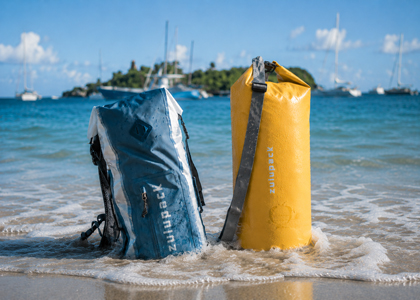
Understanding the Difference Before You Buy
When shopping for outdoor gear, many people assume that a dry bag and a waterproof backpack are the same thing.
They aren't.
While both are designed to protect your equipment from water, they solve different problems and are intended for different types of adventures.
Choosing the right one depends on how you travel, what activities you enjoy and how you like to organise your gear.
If you spend your weekends hiking through forests, paddling down rivers, exploring coastlines or travelling in unpredictable weather, understanding the difference can save you both money and frustration.
In this guide, we'll compare both options and help you decide which solution fits your adventures best.
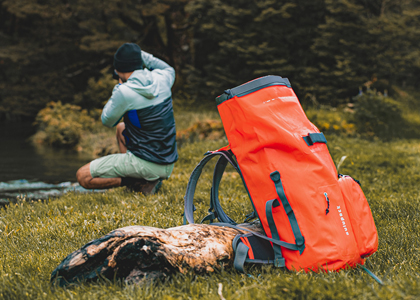
Every Adventure Starts with the Right Backpack
No two outdoor adventures are exactly alike.
A short walk through a nearby forest requires very different equipment than a multi-day trek through the mountains. The longer you stay outdoors, the more your backpack becomes part of your survival system rather than simply a place to carry your gear.
Choosing the right backpack isn't just about capacity. It's about comfort, waterproof protection, accessibility and matching your equipment to the adventure ahead.
In this guide, we'll look at the different types of hiking and trekking adventures—and the kind of gear that works best for each.
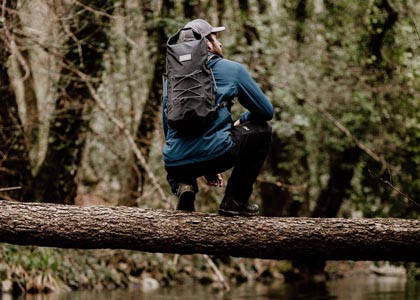
One Backpack Doesn't Fit Every Adventure
Whether you're hiking through mountain trails, commuting by bike, exploring a new city or spending the weekend on a paddle board, your backpack has one important job: protecting your gear while remaining comfortable to carry.
Yet many people choose a backpack based only on its size or appearance. The result is often disappointing—a bag that feels uncomfortable after a few hours, doesn't organise gear efficiently or fails to protect valuables when the weather suddenly changes.
Choosing the right waterproof backpack starts with understanding how and where you'll actually use it.
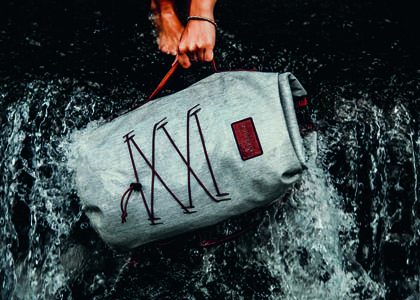
Understanding Waterproof Ratings Before Buying Outdoor Gear
Have you ever bought a bag labelled waterproof, only to discover that your belongings got wet during heavy rain?
You're not alone.
Terms like waterproof, water-resistant, and water-repellent are often used interchangeably in marketing, but they describe very different levels of protection.
Understanding these differences is one of the easiest ways to choose the right outdoor gear and avoid expensive mistakes. Whether you're hiking through the mountains, kayaking down a river, paddle boarding on a lake, or simply travelling in unpredictable weather, knowing what these labels actually mean will help you buy equipment that matches your adventures.
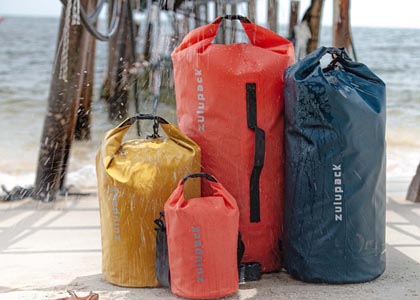
Why Every Outdoor Enthusiast Should Understand Dry Bags
Whether you're hiking through rainy mountains, paddling down a river, exploring hidden beaches, or heading out on a multi-day kayaking trip, keeping your gear dry can make the difference between a great adventure and a frustrating experience.
Many people use the terms dry bag, waterproof bag, and water-resistant bag interchangeably, but they don't always mean the same thing. Understanding these differences helps you choose equipment that matches your activities and protects your valuables when conditions become unpredictable.
In this guide, you'll learn what a dry bag is, how it works, when you should use one, and how it compares to other types of outdoor bags.
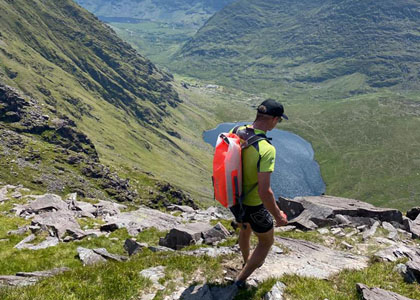
From Adventurer to Creator: The Story Behind Zulupack®
Imagine someone with a passion for extreme sports. Someone always looking for the next challenge, driven by a desire to explore the world and discover what lies beyond the familiar.
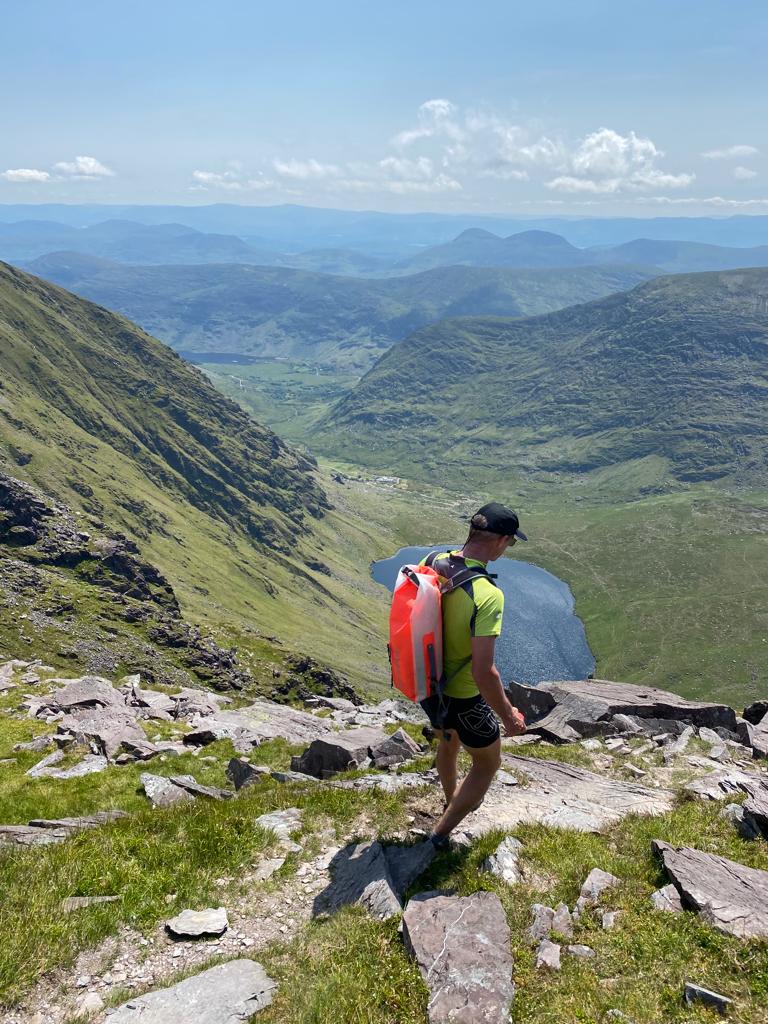
Imagine an athlete with an insatiable curiosity and a passion for discovery. Someone whose adventures span an extraordinary range of sports – skiing, sailing, hiking, trekking and running. Someone who has completed Hong Kong’s Ultra-Trail race five times and even won it in 1995.
An adventurer for whom enjoying an activity, a journey or a landscape also means having equipment that never gets in the way.
That adventurer is the founder of Zulupack®. After years of manufacturing bags for major international brands, he decided it was time to create a bag based on his own vision: one that could withstand water, weather and the demands of adventure. A bag designed for the realities of extreme sports – not only on dry land, but, when necessary, in water or even in mud.