
Zulupack® Blog
Hiking in the Rain: Essential Waterproof Gear for Wet Weather
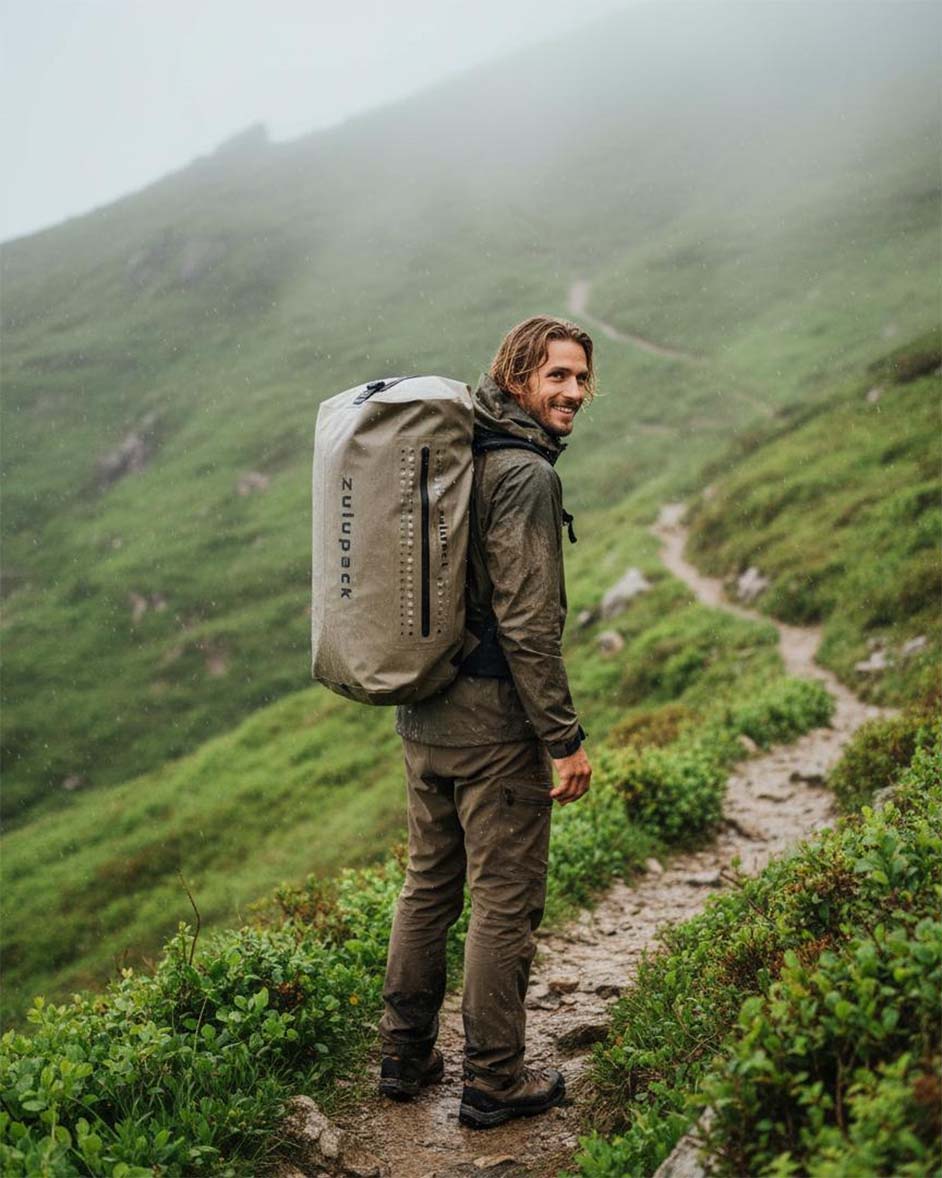
Rain doesn't have to ruin a great hike. With the right hiking rain gear, smart packing and reliable waterproof storage, wet weather can become part of the adventure rather than a reason to turn back. Discover what to pack for hiking in the rain, how to keep your backpack, phone and essential gear dry, and how to prepare for unpredictable weather on the trail.
Don't Let a Little Rain End Your Adventure
Rain doesn't necessarily ruin a hike.
Sometimes it makes it better.
Trails become quieter, forests smell different, waterfalls come alive and familiar landscapes can feel completely new beneath low clouds and mist.
But there's a big difference between enjoying a rainy hike and spending hours walking in soaked clothing with wet equipment inside your backpack.
The difference is preparation.
Good hiking rain gear, smart packing and reliable waterproof storage can turn wet weather from a problem into simply another part of the adventure.
This guide covers the essential waterproof hiking gear you should consider, how to pack for unpredictable conditions and how to keep your most important equipment protected when the weather refuses to cooperate.
Why Hiking in the Rain Requires a Different Packing Strategy
A short shower and several hours of persistent rain aren't the same thing.
During prolonged wet weather, water finds its way into places you wouldn't normally think about.
Your jacket gets wet every time you open it. Water runs down your sleeves. Mud sticks to your boots and trousers. Damp gloves eventually end up inside your backpack.
And every time you open your bag, you're potentially introducing more moisture.
That's why preparing for hiking in the rain isn't simply about wearing a waterproof jacket.
You need to think about your entire system:
What needs to stay dry? What can get wet? What needs to remain accessible?
Answer those three questions before leaving home and packing becomes much easier.
Start with the Right Hiking Rain Gear
Your first line of defence is what you're wearing.
For wet-weather hiking, your clothing system should adapt to both rain and changing temperatures.
A practical setup may include a waterproof outer shell, moisture-managing base layers, suitable hiking trousers and footwear appropriate for the terrain.
Avoid relying on one thick layer.
Several lighter layers give you much more control as your body temperature changes throughout the day.
This becomes especially important during autumn hiking, when a cool morning can turn surprisingly warm during a steep climb before temperatures drop again later in the afternoon.
And remember: waterproof protection isn't only about keeping rain out.
If your clothing doesn't allow you to manage the heat and moisture generated by your own body, you'll eventually become damp from the inside instead.

Your Backpack Deserves More Attention Than You Think
Many hikers spend considerable time choosing a waterproof jacket but carry all their dry clothing, electronics and food inside a backpack that offers limited protection from prolonged rain.
That can become a problem quickly.
A rain cover may help protect a conventional hiking backpack, but it introduces another component that needs to remain correctly positioned, particularly in wind or on difficult terrain.
A genuinely waterproof backpack takes a different approach: waterproof protection is built into the bag itself.
For hikers who regularly encounter rain, wet vegetation, snow or unpredictable mountain weather, that can simplify the entire packing system.
Recommended: Zulupack Triton 25L
The Zulupack Triton 25L IP67 is particularly well suited to demanding hiking and trekking where reliable waterproof protection matters.
Its waterproof construction and welded seams help protect equipment from the elements, while its backpack carrying system makes it suitable for longer outdoor adventures.
For mountain hiking, technical trails and days when the forecast is anything but certain, this combination of carrying comfort and waterproof protection becomes especially useful.
Day Hikes Need a Different Backpack
Not every rainy hike is a mountain expedition.
Sometimes you're heading out for a few hours through a forest, walking between villages or exploring a trail while travelling.
In those situations, you probably don't need an expedition-style setup.
You need enough space for the day hiking essentials:
a waterproof jacket, food, drinking water, first-aid supplies, phone, power bank and an extra layer.
Recommended: Zulupack Indy 20L / 25L
The Zulupack Indy IP67 offers a more versatile option for day hikes, travel and everyday outdoor adventures.
Its size makes it practical when you want waterproof protection without carrying unnecessary capacity.
It's also a useful crossover bag for people whose adventures don't fit neatly into one category: hiking one day, travelling the next and heading to the water at the weekend.
→ View Zulupack Indy collection
Keep Dry Gear Dry — and Wet Gear Somewhere Else
This sounds obvious.
In practice, it's one of the easiest rules to forget.
Imagine you've been walking in the rain for two hours. You stop under a shelter, remove your wet gloves and outer layer, then put them straight into the same compartment as your spare fleece and dry socks.
Your waterproof backpack has done its job perfectly.
Unfortunately, you've just brought the water inside yourself.
Pro Tip: Create a Wet and Dry System
Before leaving home, decide where wet equipment will go.
Keep spare clothing, electronics, food and other items that must remain dry separated from anything that's already wet.
A small separate waterproof bag can also be useful inside your main backpack for organising particularly sensitive equipment or isolating damp gear.
The principle is simple:
Dry stays with dry. Wet stays with wet.
It becomes increasingly valuable the longer you're outdoors.
Your Phone Needs Different Protection
Keeping your phone dry is easy if you put it deep inside your waterproof backpack.
Unfortunately, that's also where it becomes least useful.
During a hike you may need your smartphone for:
- Navigation
- GPS
- Weather forecasts
- Photography
- Communication
- Emergency calls
Opening your main backpack every few minutes in heavy rain isn't ideal.
And neither is using an unprotected phone with wet hands.
Recommended: Zulupack Phone Kit IP68
The Zulupack Phone Kit IP68 provides dedicated waterproof protection while keeping your smartphone accessible.
That means you can check your route, take a photograph or access important information without repeatedly opening your main backpack.
→ View Zulupack Phone Kit IP68
Pro Tip: Don't Let Your Phone Become Your Only Navigation Tool
Smartphones are incredibly useful outdoors, but batteries run down, devices can be damaged and reception disappears.
For longer or more remote hikes, carry an appropriate backup navigation solution and download any maps you need before leaving mobile coverage.
A waterproof phone is useful.
A waterproof phone with no battery isn't.

Protect Electronics from More Than Rain
Water doesn't always enter your gear from outside.
Temperature changes can cause condensation, particularly when electronics move between cold outdoor conditions and warmer environments.
Power banks, cameras and other sensitive devices therefore deserve their own protected space even inside a waterproof backpack.
Small waterproof pouches or internal organisers can make it easier to separate electronics from wet clothing, food and other equipment.
For multi-day trips, this becomes even more important.
Don't Forget the Things That Get Wet from Below
Rain isn't the only source of moisture on a trail.
After prolonged rainfall, you'll encounter:
- Mud
- Puddles
- Wet grass
- Streams
- Waterlogged ground
- Wet rocks and roots
Suitable footwear and hiking trousers become just as important as your jacket.
Be particularly careful on rocks, wooden bridges, exposed roots and steep descents. Surfaces that feel secure in dry weather can become surprisingly slippery when wet.
Slow down when conditions demand it.
Finishing twenty minutes later is considerably better than ending your hike because of an avoidable fall.
Autumn Hiking Adds Another Challenge: Shorter Days
Wet weather and autumn often arrive together.
So do shorter daylight hours.
A hike that was perfectly comfortable in July may end in darkness if you follow the same timetable in October.
Always check sunset time before leaving and allow additional time for slower progress on wet or muddy trails.
A headlamp belongs among your hiking essentials even if you expect to return before dark.
It weighs very little.
Getting caught on an unfamiliar trail without one can be a much bigger problem.

Pack an Emergency Dry Layer
One of the most valuable things you can carry during cold or wet-weather hiking is a completely dry insulating layer.
Don't wear it unless you need it.
Keep it protected inside your waterproof storage so that if your clothing becomes soaked or temperatures drop unexpectedly, you have something genuinely dry available.
Dry socks can be equally valuable.
They aren't glamorous hiking gear.
After several hours in cold rain, you probably won't care.
Food and Water Still Matter in Bad Weather
Cool conditions can make hikers less conscious of thirst.
You're still exercising.
Drink regularly and carry enough water for the route.
Food also becomes particularly important during longer wet-weather hikes because your body is using energy both for movement and maintaining temperature.
Choose snacks that are easy to reach without completely unpacking your backpack.
Again, accessibility matters.
The less often you need to open your main waterproof compartment in heavy rain, the better.
What About Documents and Car Keys?
Small valuables are easy to overlook because they take up almost no space.
But a soaked passport, paper map or electronic car key can cause considerably more trouble than a wet T-shirt.
Keep documents and keys in dedicated waterproof storage inside your backpack rather than assuming the outer protection of the bag is the only layer you'll ever need.
This is particularly useful during travel, multi-day trekking and hikes that cross borders or involve overnight accommodation.
We'll cover waterproof protection for phones, documents and other valuables in much more detail in our dedicated guide.
Check the Weather — But Prepare for It to Be Wrong
Modern weather forecasts are remarkably useful.
They aren't guarantees.
Mountain and coastal environments in particular can change quickly, and local conditions may differ substantially from the general forecast.
Before leaving, check:
- Expected precipitation
- Temperature
- Wind
- Thunderstorm risk
- Sunset
- Local trail conditions
- Weather warnings
Then pack for a reasonable change in conditions rather than only the most optimistic forecast.
There's a difference between hiking in rain and heading into dangerous weather.
Heavy thunderstorms, flooding, extreme winds or official weather warnings may mean changing your route or postponing the hike entirely.
Waterproof gear makes wet weather more manageable.
It doesn't make dangerous conditions safe.
After the Hike: Don't Leave Wet Gear Inside Your Bag
Your hike isn't quite finished when you reach the car.
Wet clothing, towels and equipment shouldn't remain sealed inside waterproof storage any longer than necessary.
Once you're somewhere suitable, unpack your gear and allow everything to dry thoroughly.
Pay particular attention to straps, buckles, folds and other areas where moisture and dirt can accumulate.
Mud and grit should also be removed according to the manufacturer's cleaning instructions.
Proper care helps both your hiking equipment and waterproof bags perform better over time.
A Simple Wet-Weather Packing System
You don't need dozens of pieces of specialist equipment to enjoy hiking in the rain.
Think in three layers:
On your body: suitable hiking rain gear and footwear.
On your back: reliable waterproof storage for clothing, food and equipment.
Immediately accessible: phone, navigation, snacks and anything else you'll use frequently.
Once those three layers work together, wet-weather hiking becomes much simpler.
You're no longer trying to prevent every drop of water from reaching you.
You're making sure the water reaches only the things that can handle it.
Final Thoughts
Rain changes a trail.
It doesn't automatically ruin it.
With appropriate hiking rain gear, a reliable waterproof hiking backpack and a sensible packing system, wet weather can offer some of the quietest and most atmospheric days you'll experience outdoors.
The important thing isn't simply buying more waterproof equipment.
It's understanding what needs protection, what needs immediate access and how to prevent wet gear from contaminating everything you've kept dry.
Prepare for changing conditions, keep an emergency dry layer protected, check the forecast and know when the weather has crossed the line from uncomfortable to unsafe.
Then, if the clouds open halfway through your hike?
Keep walking.
Recommended Waterproof Gear for Hiking in the Rain
Zulupack Triton 25L IP67
Premium waterproof backpack for trekking, mountain hiking and demanding outdoor adventures where carrying comfort and reliable protection from water are both important.
Zulupack Indy 20L / 25L IP67
Versatile waterproof backpack for day hikes, travel and everyday outdoor adventures in unpredictable weather.
Zulupack Phone Kit IP68
Dedicated waterproof protection that keeps your smartphone accessible for GPS navigation, photography and communication in wet conditions.
→ View Zulupack Phone Kit IP68
Frequently Asked Questions
Is it safe to go hiking in the rain?
Light or moderate rain doesn't necessarily make hiking unsafe, but conditions matter. Check weather warnings, thunderstorm risk, flooding, wind, temperature and local trail conditions before leaving. Be prepared to change your route or postpone the hike if conditions become dangerous.
What gear do I need for hiking in the rain?
Useful wet-weather hiking gear includes suitable rainwear, appropriate footwear, waterproof storage, dry spare clothing, navigation, a headlamp, food, water and basic safety equipment. What you need will depend on the route, temperature, duration and remoteness of your hike.
Do I need a waterproof backpack for hiking?
Not every hike requires one, but a waterproof backpack can be particularly useful in prolonged rain, wet vegetation and unpredictable conditions because the waterproof protection is built into the bag rather than relying entirely on an additional rain cover.
How do I keep everything dry while hiking in the rain?
Start by separating equipment according to what must stay dry, what may become wet and what needs to remain accessible. Use reliable waterproof storage for dry clothing and sensitive equipment, keep already-wet items separate and avoid opening your main compartment unnecessarily during heavy rain.
Related Articles
The Ultimate Hiking & Trekking Packing Guide for Every Outdoor Adventure
For a complete packing strategy covering day hikes and longer trekking adventures.
How to Choose the Best Waterproof Backpack for Hiking, Travel and Outdoor Adventures
A detailed guide to choosing the right waterproof backpack for different activities.
Waterproof vs Water-Resistant vs Water-Repellent: What's the Difference?
Learn what these terms actually mean before choosing your outdoor equipment.
Dry Bag vs Waterproof Backpack: Which One Should You Choose?
Compare two different approaches to keeping outdoor equipment protected from water.