
Zulupack® Blog
What Is a Dry Bag? Everything You Need to Know Before Your Next Adventure
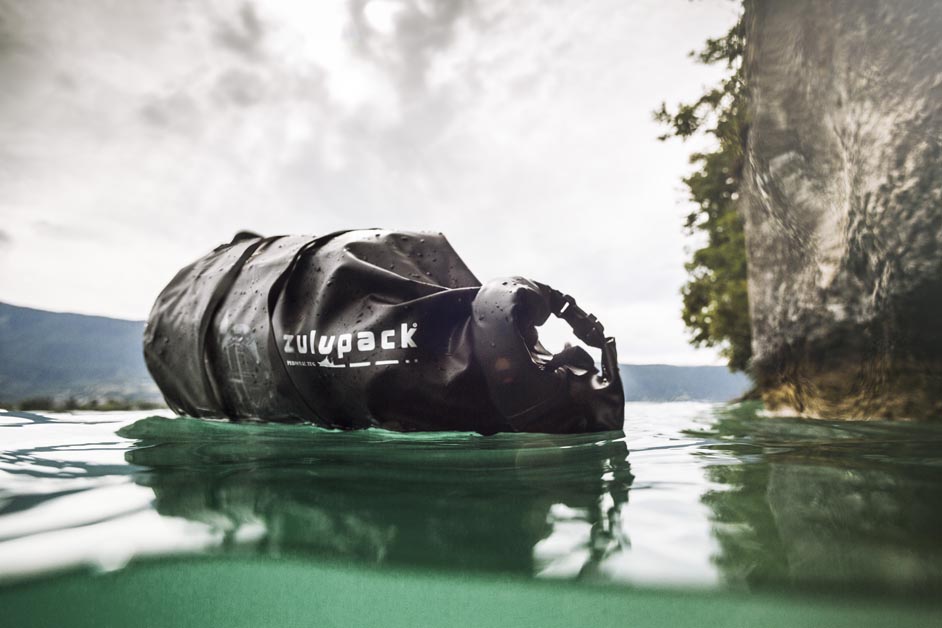
Why Every Outdoor Enthusiast Should Understand Dry Bags
Whether you're hiking through rainy mountains, paddling down a river, exploring hidden beaches, or heading out on a multi-day kayaking trip, keeping your gear dry can make the difference between a great adventure and a frustrating experience.
Many people use the terms dry bag, waterproof bag, and water-resistant bag interchangeably, but they don't always mean the same thing. Understanding these differences helps you choose equipment that matches your activities and protects your valuables when conditions become unpredictable.
In this guide, you'll learn what a dry bag is, how it works, when you should use one, and how it compares to other types of outdoor bags.
What Is a Dry Bag?
A dry bag is a waterproof storage bag designed to keep its contents completely dry, even when exposed to heavy rain, splashes, mud, or temporary immersion in water.
Unlike traditional backpacks that rely on zippers and stitched seams, a true dry bag uses:
- welded waterproof seams
- waterproof materials
- a roll-top closure system
- compression buckles that create a watertight seal
When closed correctly, a quality dry bag prevents water from reaching your clothing, electronics, food, sleeping gear, and other valuables.
Originally developed for kayaking and rafting, dry bags have become popular among hikers, cyclists, campers, sailors, paddle boarders, photographers, and travellers alike.
How Does a Dry Bag Work?
The secret lies in the roll-top closure.
Instead of using a zipper—which is often the weakest point on any bag—a dry bag seals by folding the opening over itself several times before fastening the buckles together.
Most manufacturers recommend rolling the top at least three full turns.
This creates multiple barriers that prevent water from entering the bag while also allowing trapped air to help the bag float if it accidentally falls into the water.
The effectiveness of a dry bag depends on two factors:
- the quality of its waterproof construction
- closing the roll-top properly every time
Even the best waterproof bag cannot protect your equipment if it isn't sealed correctly.
When Should You Use a Dry Bag?
Dry bags are useful whenever your equipment could be exposed to moisture.
Common activities include:
- Hiking
- Trekking
- Kayaking
- Canoeing
- Paddle boarding (SUP)
- Sailing
- Rafting
- Fishing
- Beach trips
- Camping
- Motorcycle touring
- Adventure travel
Many people initially buy a dry bag for water sports but quickly discover that it becomes their everyday outdoor companion whenever the weather looks uncertain.
Dry Bag vs Waterproof Backpack
Although these products may look similar, they serve slightly different purposes.
A classic dry bag focuses primarily on waterproof protection. Many models are lightweight, cylindrical, and designed to be packed inside another bag or attached to outdoor equipment.
A waterproof backpack combines that same waterproof protection with features that improve carrying comfort, including padded shoulder straps, back ventilation, external storage, and ergonomic load distribution.
If you're spending several hours walking or hiking, a waterproof backpack is usually the more comfortable choice.
If your priority is maximum waterproof protection during kayaking, rafting, or paddle boarding, a traditional dry bag is often the better option.
We'll look at this comparison in greater detail in our upcoming article Dry Bag vs Waterproof Backpack – Which One Should You Choose?

Waterproof Doesn't Always Mean the Same Thing
One of the biggest misconceptions is that every bag labelled "waterproof" offers the same level of protection.
In reality, waterproof performance depends on the construction and the official protection rating.
Some bags are designed only to resist rain, while others are built to withstand temporary immersion.
This is where IP ratings become important.
For example:
- IPX4 protects against splashing water.
- IPX6 withstands powerful water jets.
- IP67 protects against temporary immersion.
- IP68 provides even higher protection under specific manufacturer-defined conditions.
Understanding these ratings helps you choose the right equipment for your adventures instead of relying solely on marketing claims.
We'll explain these standards in detail in another guide dedicated to waterproof ratings.
What Size Dry Bag Should You Choose?
The ideal size depends on what you plan to carry.
3–5 litres
Ideal for wallets, keys, phones, cameras, and small electronics.
10–20 litres
Perfect for day trips, spare clothing, food, towels, and personal items.
20–40 litres
Suitable for hiking, kayaking, SUP tours, camping, and weekend adventures.
40 litres and above
Designed for multi-day expeditions, sailing trips, motorcycle touring, and travel.
Many experienced outdoor enthusiasts prefer carrying several smaller dry bags instead of one large one, making it easier to organise their equipment and quickly find what they need.

Protecting Electronics and Documents
Large dry bags protect clothing and equipment, but smaller valuables often need additional protection.
Your phone, passport, travel documents, keys, and wallet are frequently the first items you'll want to access during the day, so keeping them inside a large backpack isn't always practical.
A dedicated waterproof phone pouch or waterproof document pouch provides fast access while offering a high level of protection against water, sand, and dirt.

This combination—a waterproof backpack together with smaller waterproof organisers—is common among experienced kayakers, hikers, and paddle boarders.
Common Mistakes When Using a Dry Bag
Even premium waterproof equipment can fail if used incorrectly.
The most common mistakes include:
- failing to roll the closure tightly enough
- overfilling the bag
- trapping clothing inside the sealing area
- leaving sharp objects unprotected inside the bag
- assuming every "waterproof" bag offers the same level of protection
Taking a few extra seconds to close your dry bag properly can prevent expensive damage to your gear.

Choosing the Right Dry Bag
The best dry bag isn't necessarily the largest or the most expensive—it's the one that matches your adventures.
Think about where you'll use it most often.
A lightweight day hike requires different equipment than a week-long kayaking expedition or a sailing holiday.
Pay attention to:
- waterproof construction
- carrying comfort
- durability
- storage capacity
- IP protection (where applicable)
- attachment points
- overall weight
Choosing the right combination of waterproof gear helps ensure your equipment stays protected wherever your adventures take you.
Final Thoughts
A good dry bag is one of the simplest yet most valuable pieces of outdoor equipment you can own.
Whether you're exploring mountain trails, paddling across a calm lake, travelling by motorcycle, or spending the day on a paddle board, reliable waterproof protection gives you peace of mind and lets you focus on enjoying the experience instead of worrying about your gear.
As your outdoor adventures grow, you'll likely discover that different activities call for different waterproof solutions—from compact phone pouches to waterproof backpacks and expedition-sized dry bags.
Frequently Asked Questions
What does "outdoor" actually mean?
Outdoor refers to any activity that takes place in nature or outside, whether it's a short walk in the woods, a mountain hike, kayaking, camping, paddleboarding, or simply spending time by the water. Outdoor activities often require practical gear that can handle changing weather conditions.
What should I bring for an outdoor adventure?
The essentials depend on your activity, but a few items are useful almost every time:
- Drinking water
- Weather-appropriate clothing
- Navigation (map or GPS)
- Snacks
- First-aid kit
- A waterproof backpack or dry bag to protect your valuables from rain, splashes, or accidental drops into the water.
Why is waterproof gear important for outdoor activities?
Weather can change quickly, and water is often impossible to avoid during outdoor adventures. Rain, river crossings, kayaking, paddleboarding, or even wet grass can expose your equipment to moisture. Waterproof bags help keep electronics, clothing, documents, and other valuables dry, allowing you to focus on enjoying your adventure instead of worrying about your gear.