

Waterproof Dry Bags – keep your gear protected when water is part of the adventure
A good waterproof dry bag is designed for much more than protecting gear from a little rain. When kayaking, canoeing, paddleboarding, rafting, sailing or heading out on a longer paddling trip, your bag may be exposed to splashes, waves, wet boat floors or even temporary immersion in water.
A dry bag is built for exactly this kind of environment: easy to pack, practical around water and, when designed with the right materials and closure system, capable of providing a high level of protection for clothing, personal belongings and outdoor gear.
The Zulupack® range includes waterproof bags in different sizes and designs, so you can choose the right solution for anything from a few everyday essentials to a full day’s kit or larger watersports equipment.
Dry bag, waterproof bag or waterproof sack – are they the same thing?
You may come across several different names for the same general type of product. Dry bag is the most widely used term in watersports and outdoor activities, while waterproof bag and waterproof sack are also commonly used.
The name itself, however, tells you less than the actual construction and level of water protection. A bag made from water-resistant fabric is not necessarily designed for the same conditions as a welded dry bag with a defined IP protection rating.
What is a dry bag used for?
The main purpose of a dry bag is to keep dry gear separated from a wet environment. Depending on the size, it can carry clothing, towels, food, electronics, personal belongings or sports equipment.
It can also work in reverse after the activity: wet swimwear, towels, neoprene gear or muddy equipment can be kept separate from dry items in your car, boat or other luggage.
Dry bags for kayaking and canoeing
A dry bag for kayaking is one of the most practical pieces of equipment you can take onto the water. Your gear may be exposed not only to rain, but also to water dripping from the paddle, waves, wet cockpit surfaces or even a capsize.
Soft-sided dry bags are also well suited to the limited storage space found in kayaks and canoes. Using several smaller bags can make it easier to separate frequently used personal items from clothing or larger pieces of gear.
Dry bags for SUP
When stand-up paddleboarding, one of the biggest advantages of a dry bag is that it lets you take valuables and personal gear out on the water instead of leaving them unattended on shore.
For a short paddle with only a few essentials, a small dry bag may be enough. For an all-day SUP trip with spare clothing, a towel, food and additional equipment, a larger capacity is usually more practical.
Dry bags for rafting and whitewater
During rafting and whitewater activities, equipment may be repeatedly exposed to direct contact with water. In this environment, durable materials, secure closure and a design intended specifically for wet conditions become especially important.
A suitable dry bag is therefore more than a convenience here – it can be an essential part of keeping gear organised and protected.
Dry bags for boats and sailing
Dry bags are also highly practical aboard sailing boats, motorboats and other craft. Their flexible construction often makes them easier to fit into tight storage compartments than rigid luggage or boxes.
A smaller dry bag can be used for personal items and frequently used gear, while larger bags can hold clothing, towels and equipment for longer trips. This means you do not have to repack everything every time spray or sudden rain reaches the deck.
What size dry bag should you choose?
The right size does not simply mean choosing the biggest one available. A good dry bag should have enough room for the gear you need while still being easy to handle for the activity and transport method involved.
- Small size – phone, wallet, keys, documents and other small personal items.
- Medium size – lightweight spare clothing, towel, food and personal gear for a day out.
- Larger size – more clothing, larger towels and equipment for longer trips.
- High capacity – larger quantities of gear or bulkier sports and outdoor equipment.
It is also worth considering whether you will carry the bag in a kayak, on a SUP, aboard a boat or on foot, because carrying style can matter just as much as capacity.
What does IP67 mean on a dry bag?
An IP rating is a standardised way of describing protection against dust and water. For an IP67-rated product, the correctly closed main compartment is fully protected against dust and can withstand temporary immersion in water at a depth of up to 1 metre for up to 30 minutes.
This can be a major difference compared with a bag that is simply described as “waterproof” without a defined protection level for the complete construction, including material, seams and closure.
Why do so many dry bags use a roll-top closure?
One of the most common dry bag designs is the roll-top closure. Its main advantage is simplicity: there is no long zip across the main opening, and the bag can be opened and closed quickly with only a few movements.
To achieve the intended level of water protection, always follow the closure instructions for the specific product. Zulupack® roll-top models should be rolled down at least three times before securing the buckle.
Water-resistant does not always mean submersible
Outdoor products are often described as water-resistant, waterproof or weatherproof. These terms can overlap in everyday marketing language, but in practical use there can be an important difference between them.
A water-resistant product may be perfectly suitable for light rain. For a dry bag used for kayaking, rafting or SUP, however, it is worth checking whether the entire product has been designed for direct water exposure and whether a defined protection rating is available.
Not just for watersports
Although dry bags are naturally associated with water, they are useful in many other situations too. Camping, motorcycle trips, wet-weather travel, fishing or muddy outdoor activities are all situations where separating dry gear from moisture, mud or dirty equipment can be useful.
That versatility is one of the reasons dry bags remain one of the simplest and most practical outdoor storage solutions.
Tube or another Zulupack® dry bag – which should you choose?
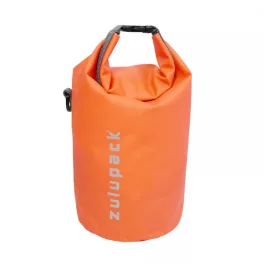
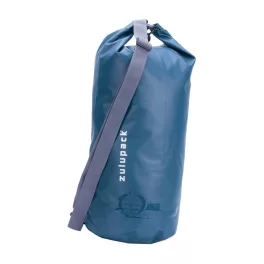
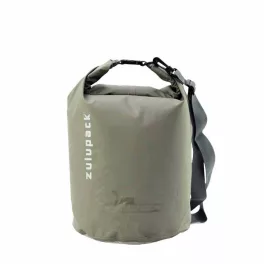
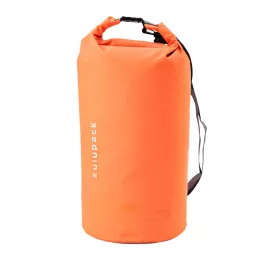
The Zulupack® range includes several waterproof bag designs. The Tube series offers classic roll-top IP67 dry bags in several different sizes, making it easy to choose a capacity for personal essentials, day-trip gear or a larger load.
You may also find other Zulupack® waterproof bag designs in this category, so it is worth considering not only volume but also carrying style, construction and intended use.
Whether you need a dry bag for kayaking, SUP, rafting, boating, sailing or wet-weather outdoor adventures, choose the size and design that truly matches the gear you want to carry.

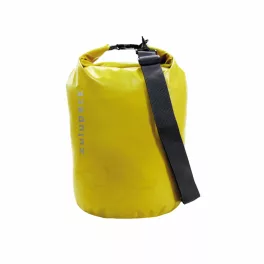
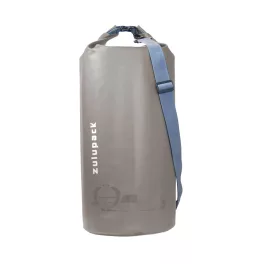
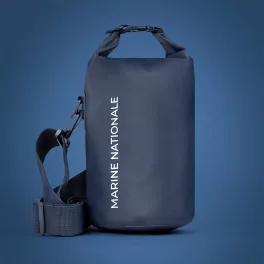
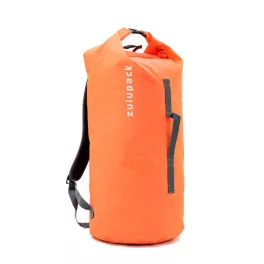
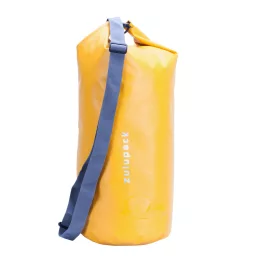

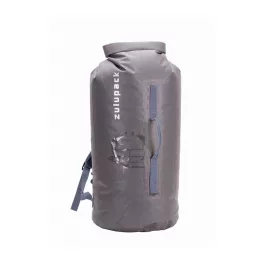
What is a dry bag used for?
A dry bag is designed to protect clothing, electronics and valuables from wet conditions. The roll-top closure helps seal out water, making it a go-to choice for life on the water and unpredictable weather.
Pick the right size for your kit
Go small for phone, wallet and documents, or size up for a full day’s gear. For extra protection, pair with waterproof phone cases and waterproof backpacks.
- Roll-top closure for reliable waterproof sealing
- Great for boating, kayaking, SUP and travel
- Protects valuables from rain and splashes
- Multiple volumes for different adventures