
Zulupack® Blog
Kayaking Checklist: Essential Waterproof Gear for Every Trip
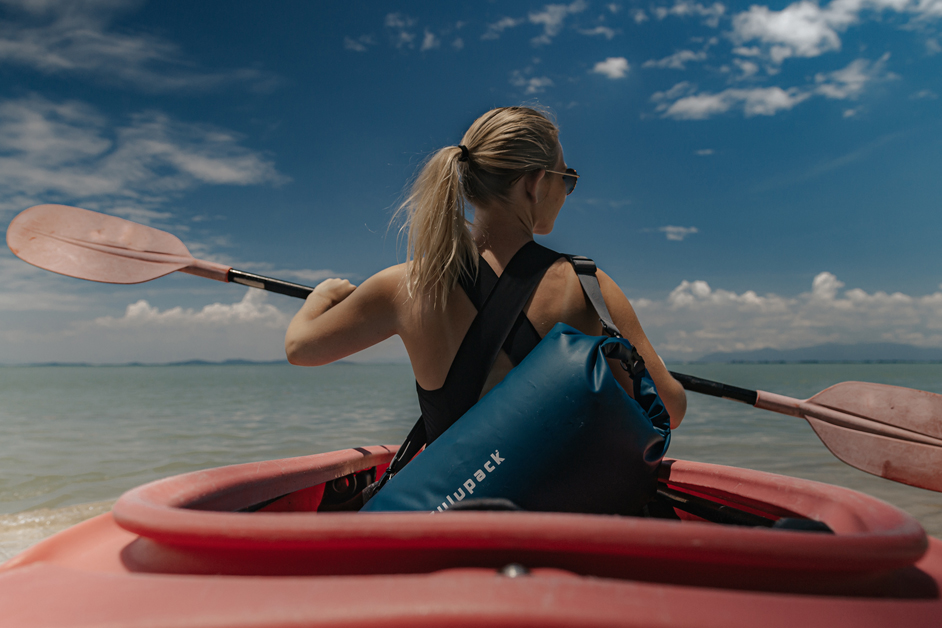
Pack Smart, Paddle Further and Keep Your Gear Dry
Few outdoor activities combine freedom, exploration and simplicity quite like kayaking.
You can spend a relaxed afternoon paddling across a lake, follow a winding river through the countryside or load your kayak with camping equipment and disappear for several days.
But once you leave the shore, everything you bring with you has to deal with one unavoidable element: water.
Paddle drips, waves, rain, wet clothing and accidental splashes can quickly soak equipment that wasn't packed properly. And on a multi-day kayaking trip, a wet sleeping bag or change of clothes is much more than a minor inconvenience.
That's why a good kayaking checklist isn't simply about remembering what to bring. It's also about deciding where and how to pack it.
Here's what you should consider before your next kayaking or canoeing adventure.
Essential Kayaking Gear
The exact equipment you need depends on the type of water, weather, distance and duration of your trip. However, a basic kayaking checklist should normally include:
- Personal flotation device (PFD)
- Paddle
- Spare paddle on longer trips
- Drinking water
- Food and snacks
- Weather-appropriate clothing
- Sun protection
- First-aid kit
- Navigation or GPS
- Mobile phone
- Power bank
- Headlamp or waterproof torch
- Emergency whistle
- Dry clothing
- Waterproof storage for essential gear
For longer kayak or canoe trips, you'll also need camping equipment, additional food, cooking gear and potentially much more water.
And that's where packing organisation becomes increasingly important.
A Dry Bag Is One of Your Most Important Pieces of Kayaking Gear
A traditional dry bag is almost made for kayaking.
Its simple waterproof construction makes it easy to store inside a kayak, canoe or boat while protecting your equipment from splashes, rain and accidental immersion according to the bag's protection level.
A roll-top dry bag is particularly useful for storing:
- Spare clothes
- Towels
- Food
- Electronics
- Camping equipment
- Sleeping gear
- Personal belongings
Recommended: Zulupack Tube IP67
The Zulupack Tube IP67 is a classic dry bag designed for kayaking, canoeing, SUP, rafting and other watersports.
Because the Tube is available in different capacities, you can choose a size for a particular purpose rather than putting everything into one large bag.
For example, one smaller Tube can hold electronics and valuables while another carries clothing or camping equipment.
→ View the Zulupack Tube collection
Pro Tip: Don't Put Everything in One Dry Bag
On longer trips, divide your equipment between several dry bags.
Keep spare clothing separate from food, electronics and camping equipment. This means you only have to open the bag you actually need—and if one bag is accidentally left open or damaged, the rest of your equipment remains protected.
How to Close a Roll-Top Dry Bag Properly
A waterproof dry bag can only provide its intended protection when it is closed correctly.
Before sealing the bag:
- Make sure nothing is caught in the opening.
- Press out excess air if necessary.
- Align the top edges.
- Roll the closure tightly at least three times.
- Secure the buckle.
Avoid overfilling the bag. You need enough material at the top to create a proper roll-top seal.
This small habit takes only a few seconds but can make a huge difference once you're on the water.
If you'd like to understand the construction in more detail, see our guide What Is a Dry Bag? Everything You Need to Know.
What Should You Wear for Kayaking?
Dress for the water—not only for the air temperature.
On a warm summer day, lightweight quick-drying clothing may be enough for recreational kayaking. In colder conditions, suitable thermal layers, a paddling jacket, wetsuit or drysuit may be necessary depending on the environment.
Whatever you wear, expect some of it to become wet.
Always pack at least one completely dry change of clothes in waterproof storage.
For longer trips, dry socks and a warm base layer can feel surprisingly luxurious after spending an entire day on the water.
Multi-Day Kayaking Requires a Different Packing Strategy
A two-hour paddle and a four-day river expedition may both involve a kayak, but their packing requirements are completely different.
Once camping enters the equation, you'll need space for:
- Sleeping bag
- Camping mattress
- Tent or shelter
- Cooking equipment
- Food
- Extra clothing
- Hygiene products
- Additional safety equipment
Instead of simply carrying more gear, focus on creating a packing system.
Recommended: Zulupack Borneo 45L
The Zulupack Borneo 45L is particularly well suited to multi-day kayaking and canoeing adventures, camping and expedition-style travel.
Its larger capacity makes it possible to carry substantial equipment while keeping your main gear protected from water.
But one of its most useful features becomes apparent after you've spent a day paddling.
Pro Tip: Separate Wet Gear from Everything You Want to Keep Dry
At the end of a paddling day you'll often have wet water shoes, damp clothing, a wet towel or muddy equipment.
Putting these items into the same compartment as your clean clothing defeats the purpose of keeping everything else dry.
The Borneo 45L features a large external perforated zip pocket designed for separating wet or dirty equipment from the contents of the main compartment.
Use it for:
- Wet water shoes
- Damp clothing
- Muddy footwear
- Wet towels
- Other dirty or damp gear
The perforated construction allows ventilation while your clean, dry equipment remains separated inside the main compartment.
On a one-hour paddle this might seem like a small detail.
On day three of a kayak expedition, it isn't.
Keep Your Phone Protected — But Accessible
Your smartphone is probably one of the most useful pieces of equipment you'll carry.
It can serve as:
- GPS navigation
- Camera
- Weather information source
- Emergency communication device
- Map
- Clock
Putting it deep inside your dry bag certainly keeps it protected, but it also means opening your main storage every time you want to check your route or take a photograph.
A dedicated waterproof phone pouch is much more practical.
Recommended: Zulupack Phone Kit IP68
The Zulupack Phone Kit IP68 is designed specifically to provide a high level of protection for your smartphone around water.
It keeps the phone accessible while protecting it from water, dirt and sand, making it particularly useful for:
- Kayaking
- Canoeing
- SUP
- Sailing
- Beach activities
- Hiking
→ View Zulupack Phone Kit IP68
Pro Tip: Keep Emergency Communication With You
When possible, keep your waterproof phone pouch securely attached to yourself or your PFD, rather than simply storing it somewhere in the kayak.
If you become separated from your kayak after capsizing, a phone left inside the boat may suddenly be much less useful.
Food and Drinking Water
Paddling burns more energy than many beginners expect.
For shorter trips, pack:
- Water
- Energy bars
- Fruit
- Nuts
- Easy-to-eat snacks
For longer trips, you'll need a proper food plan and potentially cooking equipment.
Keep food in waterproof storage even if the packaging itself looks water-resistant. A leaking bottle or melted ice can create just as much mess inside a kayak as water coming from outside.
And remember: hydration matters even when you're surrounded by water.
Always carry sufficient drinking water or an appropriate method of safely treating water during longer expeditions.
A Folding Bucket? Surprisingly Useful.
A bucket probably isn't the first item that comes to mind when preparing your kayaking gear.
On multi-day trips, however, it can become surprisingly useful.
Recommended: Zulupack Bosco 15L Folding Bucket
A compact folding bucket takes up very little storage space when empty but can be used around camp for:
- Carrying water
- Washing cookware
- Rinsing equipment
- Cleaning muddy footwear
- Washing yourself away from the water's edge where appropriate
- Giving your dog drinking water
- General campsite cleaning
The Zulupack Bosco 15L folds down when not in use, making it much easier to carry in a kayak than a conventional rigid bucket.
How Should You Pack a Kayak?
Packing isn't only about keeping equipment dry. Weight distribution also affects how your kayak behaves on the water.
As a general principle:
- Keep heavier equipment low.
- Distribute weight evenly.
- Avoid concentrating everything at one end.
- Secure equipment so it cannot move around freely.
- Keep emergency items accessible.
- Pack equipment you'll only need at camp deeper in storage.
Small dry bags are often easier to fit into limited kayak storage spaces than one enormous bag.
This is another reason why experienced paddlers frequently use several dry bags rather than one.
Dry Bag or Waterproof Backpack for Kayaking?
Both can work—but they serve different purposes.
A classic dry bag such as the Tube is ideal when your priority is compact waterproof storage inside a kayak or canoe.
A waterproof backpack becomes more useful if your trip includes substantial walking, portaging or exploring away from the water.
And on longer expeditions, combining different types of waterproof storage is often the most practical solution.
For a detailed comparison, read Dry Bag vs Waterproof Backpack: Which One Should You Choose?
Don't Forget What Happens After You Leave the Water
One of the easiest mistakes to make when planning a kayaking trip is thinking only about the time spent paddling.
Eventually, you'll reach the shore.
You may need to:
- Carry equipment to camp
- Change clothes
- Prepare food
- Clean muddy gear
- Walk to accommodation
- Load everything back into your vehicle
A good packing system should work on land as well as on the water.
That's why choosing equipment according to the entire trip—not just the paddling section—usually produces a much better setup.
Final Thoughts
The best kayaking gear doesn't make the adventure more complicated. It makes everything simpler.
A well-organised combination of dry bags, waterproof storage and a few practical accessories allows you to spend less time worrying about wet equipment and more time enjoying the water.
For a short recreational paddle, a small dry bag and waterproof phone pouch may be all you need.
For a multi-day kayak or canoe expedition, you'll benefit from a more organised system: separate waterproof storage for clothing and equipment, dedicated protection for electronics and somewhere to keep wet or muddy gear away from everything you've worked hard to keep dry.
Pack deliberately, close your dry bags correctly and keep your essential safety equipment accessible.
Then paddle.
Recommended Waterproof Gear for Kayaking
Zulupack Tube IP67
A classic dry bag for kayaking, canoeing, SUP, rafting and watersports. Available in different capacities for organising clothing, electronics and other essential gear.
→ View Zulupack Tube
Zulupack Borneo 45L
A high-capacity waterproof bag for multi-day kayaking, camping and expeditions, with a separate perforated external zip pocket for wet or dirty equipment.
→ View Zulupack Borneo 45L
Zulupack Phone Kit IP68
Waterproof smartphone protection that keeps navigation, photography and communication within easy reach on the water.
→ View Zulupack Phone Kit IP68
Zulupack Bosco 15L
A folding waterproof bucket for carrying water, washing equipment, campsite cleaning and other practical tasks during multi-day paddling adventures.
→ View Zulupack Bosco 15L
Frequently Asked Questions
What size dry bag is best for kayaking?
It depends on the length of your trip and what you need to protect. A small dry bag is useful for electronics and valuables, while medium and larger dry bags can hold clothing, food or camping equipment. On multi-day kayaking trips, using several smaller dry bags often makes packing and organisation easier than relying on one large bag.
Do I really need a dry bag for kayaking?
If you're carrying anything that needs to remain dry, a dry bag is one of the most useful pieces of kayaking equipment you can bring. Even on calm water, paddle drips, rain, waves and accidental capsizing can expose your belongings to water.
How do I keep my phone dry while kayaking?
Use a waterproof phone pouch designed for use around water. It protects your phone while keeping it accessible for GPS navigation, photography and communication. For additional safety, securely attach the pouch to yourself or your PFD rather than leaving it loose inside the kayak.
Related Articles
- What Is a Dry Bag? Everything You Need to Know
- Waterproof vs Water-Resistant vs Water-Repellent: What's the Difference?
- Dry Bag vs Waterproof Backpack: Which One Should You Choose?
- How to Choose the Best Waterproof Backpack for Hiking, Travel and Outdoor Adventures