

Waterproof Bags for Travel, Sports and Outdoor Adventures
There are plenty of situations where a backpack simply isn't the most practical option. A well-designed waterproof bag can be a more convenient choice for travel, sports, waterside activities or carrying larger pieces of gear, while helping protect your belongings from rain, splashes, dust and dirt.
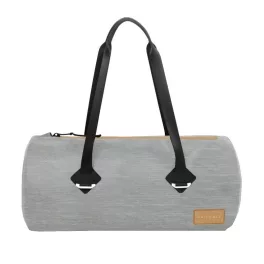
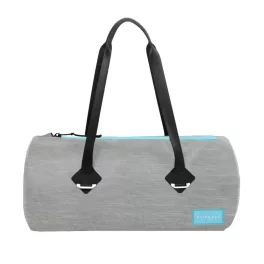
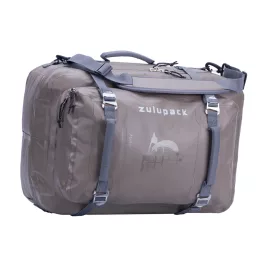
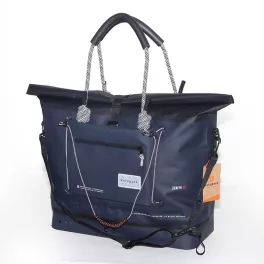
The Zulupack® range includes compact sports bags, versatile travel bags and high-capacity gear bags. With different sizes, carrying options and IP protection ratings available, you can choose a bag that suits not only how much you need to carry, but also where and how you plan to use it.
When Is a Bag More Practical Than a Backpack?
A traditional bag or duffel-style design can be particularly useful when quick access to your gear matters, when you pack and unpack frequently, or when you need to carry bulky items. For travel, road trips, boating or transporting sports equipment, a wide-opening bag can often be easier to pack and organise than a conventional backpack.
Carrying options vary between models. Some bags can be carried by hand or over the shoulder, while certain versatile designs offer additional ways to carry them. Along with capacity, it is therefore worth considering how you will transport your bag and the conditions in which you will use it.
What Size Waterproof Bag Do You Need?
The right capacity depends mainly on what you plan to use the bag for. A smaller bag can be ideal for sports, the beach or everyday gear, while a medium-sized travel bag offers more room for clothing and personal equipment. Large duffel and gear bags are better suited to bulky sports, outdoor or expedition equipment.
Bigger is not always better. Choose a capacity that gives you enough room for your essential gear without adding unnecessary bulk or weight for the way you intend to carry and transport the bag.


How to Choose a Waterproof Bag
Choosing the right waterproof bag is about more than capacity or appearance. Think about how you plan to use it, how you want to carry it, the level of water protection you need and the type of gear you will be transporting.
1. Choose the Right Capacity
Smaller bags can be ideal for sports, beach trips, short outings or carrying everyday essentials. Medium-sized models offer more room for travel, weekend trips and larger amounts of sports gear, while high-capacity bags provide a practical solution for bulky equipment and longer adventures.
Capacity in litres is a useful starting point when comparing bags, but shape and opening design matter too. Two bags with a similar capacity can pack very differently depending on their proportions and the type of equipment you need to carry.
2. Consider How You Want to Carry It
How a bag carries can make a big difference when travelling or moving sports equipment. Carry handles make it easy to grab and move a bag over short distances, while a shoulder strap can be more comfortable when you need to carry it for longer. Some versatile models may also provide additional carrying options.
If you frequently move between a car, boat, accommodation or activity location, easy handling can be especially useful. If you expect to carry your gear on foot for longer periods, comfort and the available carrying system become more important.
3. Choose the Right Level of Water Protection
Not every water-resistant or waterproof bag offers the same level of protection. A brief rain shower, spray on a boat and prolonged exposure to heavy water are very different conditions.
For this reason, look beyond the outer fabric and consider the construction of the entire bag. Welded seams, the closure system and – where specified – the IP protection rating can give you a much clearer indication of the conditions a particular model is designed to handle.
4. Consider Materials and Construction
The durability and performance of a bag depend on both its materials and its construction. Different Zulupack® models use different technical materials and constructions, including welded designs engineered for demanding environments.
When comparing materials, consider how often you will use the bag, the environments in which you will carry it and whether low weight, abrasion resistance or durability under demanding use matters most to you.
Waterproof, Water-Resistant or Water-Repellent Bag?
These terms are often used interchangeably in everyday language, but they can describe very different levels of protection.
A water-repellent bag or water-repellent outer fabric can cause water droplets to bead and roll off the surface for a certain period of time. This alone does not mean that seams, zips, closures and other potential entry points will prevent water from reaching the inside.
A water-resistant bag can provide a degree of protection against rain and splashes, but the term itself does not define precisely how much water exposure the complete bag can withstand. A genuinely waterproof construction is designed to provide a higher level of protection, but its actual capabilities still depend on the complete product design and closure.
If you need a clearly defined level of protection, check the construction and – where available – the IP rating of the specific bag rather than relying on a general waterproof claim alone.
What Does an IP Rating Mean on a Bag?
An IP rating is a standardised way of indicating how well a product is protected against the ingress of solid particles, such as dust, and water. The first digit after “IP” refers to protection against solid particles, while the second indicates the level of protection against water.
This makes IP ratings particularly useful when comparing waterproof bags. A brief rain shower in town, spray across the deck of a boat and more powerful or prolonged exposure to water place very different demands on a bag.
Zulupack® bags are available with different levels of protection, so always check the IP rating and recommended conditions of use specified for the individual model.
Which Waterproof Bag Is Right for Your Activity?
For Sports and Training
A smaller or medium-sized bag is often the most practical option for sports and training. Easy packing, convenient carrying and a construction suited to wet environments can be particularly useful when transporting sportswear and equipment.
For Travel and Weekend Trips
A waterproof travel bag is a practical choice for carrying clothing, footwear and personal gear in an easy-to-pack format. A generous opening and quick access to the contents can be especially useful on road trips, camping weekends and other short breaks.
For Boating and Water Sports
On a boat, yacht or during water sports, your bag may have to deal with much more than rain. Spray, wet decks and damp equipment are all part of the environment, making the right level of water protection, durable construction and correct use of the closure particularly important.
For Motorcycling and Outdoor Activities
During motorcycle trips and outdoor activities, bags can be exposed to changing weather, dust and dirt. Along with protection from water, durable materials, easy cleaning and practical handling can therefore become important considerations.
For Bulky Gear and Expeditions
When you need to transport a large amount of equipment, a high-capacity waterproof duffel bag or gear bag can be more practical than several smaller pieces of luggage. For outdoor equipment, sports gear and other bulky items, capacity, durability, handle design and ease of loading are all worth considering.
Zulupack® Waterproof Bags
Zulupack® waterproof bags are available in different sizes, materials, designs and protection levels. From compact sports bags and versatile travel bags to high-capacity gear bags, the range offers different solutions depending on what you need to carry and the conditions you expect to encounter.
When choosing your bag, start with the capacity you need, how you want to carry it and the level of water protection required for your activities. You can then compare materials, construction and practical features to find the Zulupack® bag that best suits the way you travel, train or explore.