
Zulupack® Blog
How to Keep Your Phone, Documents and Valuables Dry Outdoors
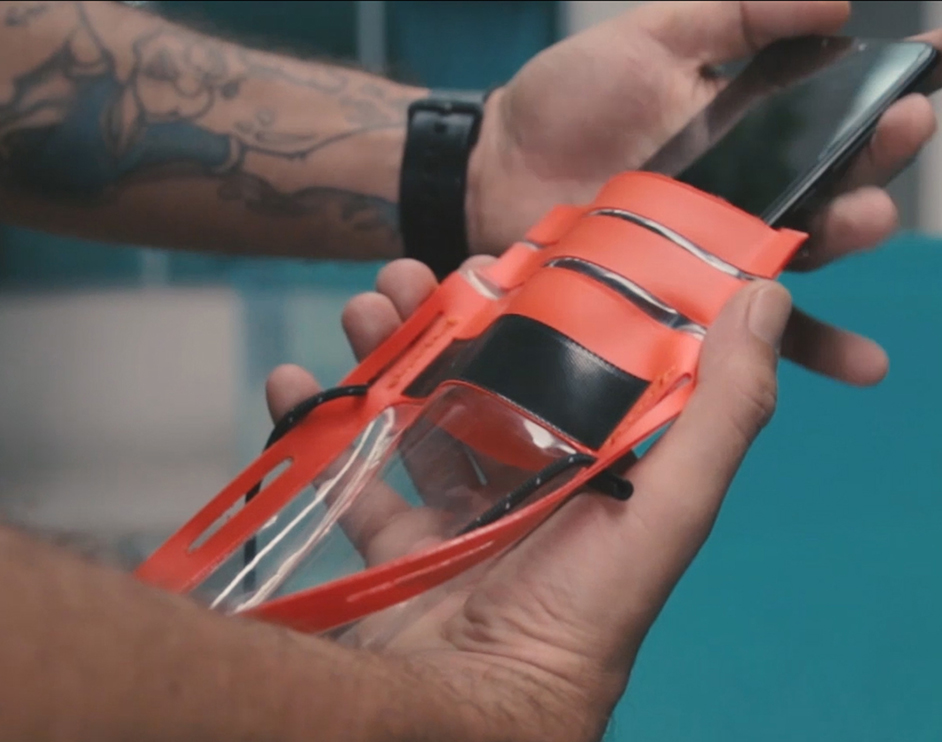
Phones, passports, car keys and other small valuables don't take up much space, but getting them wet can quickly turn an outdoor adventure into a problem. Whether you're hiking in the rain, kayaking, paddle boarding or travelling, this guide explains how to protect your phone, documents and essentials from water — without burying everything at the bottom of your backpack.
Small Items, Big Problems
You can survive a wet T-shirt. A soaked towel is annoying. Even wet shoes eventually dry.
But drop your smartphone into the water, soak your passport or discover that your electronic car key has spent the afternoon in a wet pocket and the consequences can be considerably more complicated.
Some of the smallest things we carry outdoors are also among the most important.
Phones provide navigation, communication, photography, tickets and emergency access. Documents may be impossible to replace during a trip. Keys, payment cards and other valuables can be essential for getting home. Protecting them therefore deserves more thought than simply throwing everything into a backpack and hoping it doesn't rain.
The good news? Keeping your essentials dry doesn't require carrying much extra equipment. It requires choosing the right protection for the right situation.
Why Your Phone Needs More Than a Backpack
Putting your smartphone inside a waterproof backpack is an effective way to protect it from water.
There's just one problem. You probably want to use it.
Phones have become an essential piece of outdoor equipment. On a typical adventure, you might use yours for:
- GPS navigation and maps
- Weather forecasts
- Taking photographs and videos
- Emergency communication
- Tickets and reservations
- Translation
- Payments
- Checking routes and transport
If your phone is buried underneath spare clothes at the bottom of your backpack, you need to stop and open the bag every time you want it.
During heavy rain, that's inconvenient. On a kayak or paddle board, it can be even more awkward.
The better solution is often dedicated waterproof phone protection that keeps the device accessible.
Waterproof Phone Pouch or Waterproof Phone Case?
The terms are sometimes used interchangeably, but they're not necessarily the same thing. A waterproof phone case is generally designed around a particular device or range of devices and becomes part of the phone itself.
A waterproof phone pouch creates a separate waterproof enclosure around the phone.
For outdoor use, a pouch has several practical advantages.
You can remove the phone when you no longer need the additional protection. The same pouch may work with different phones within its compatible dimensions, and it can often be carried independently of your main backpack.
For activities involving water, that last point becomes particularly important.
What Does IP68 Mean for a Phone Pouch?
If you're choosing waterproof protection for electronics, you'll often encounter IP ratings.
IP stands for Ingress Protection. The two digits describe protection against solid particles and water.
In IP68, the first digit — 6 — represents the highest level of protection against dust ingress.
The second digit — 8 — indicates protection against continuous immersion under conditions specified by the manufacturer.
That last part matters. IP68 does not mean every IP68 product can be submerged to the same depth for the same amount of time. Always follow the manufacturer's stated conditions and instructions for the individual product.
If you'd like to understand waterproof terminology and IP ratings in more detail, see:
→ Waterproof vs Water-Resistant vs Water-Repellent: What's the Difference?
Keep Your Phone Accessible on the Water
Kayaking and stand up paddle boarding create an interesting problem. Your phone is extremely useful. You may want it for navigation, photographs, tracking your route or communication. But these are also situations where dropping an unprotected phone can have immediate consequences.
Recommended: Zulupack Phone Kit IP68
The Zulupack Phone Kit IP68 is designed to provide dedicated waterproof protection while keeping your smartphone accessible during outdoor and watersports activities.
Rather than placing your phone deep inside your main dry bag, you can keep it protected and within reach when you need it. That makes particular sense for kayaking, SUP, sailing, hiking, travel and other situations where water exposure and frequent phone use occur together.
→ View Zulupack Phone Kit IP68

Pro Tip: Protect the Phone Before You Reach the Water
Don't wait until you're sitting in the kayak to organise your phone.
Put it into its waterproof protection before launching, and check that the closure is properly secured according to the manufacturer's instructions.
It's much easier to correct a poorly closed pouch on dry land.
Can You Use a Phone Through a Waterproof Pouch?
Depending on the pouch and phone, touchscreen functionality may remain available through the protective material.
But conditions matter.
Wet screens, water on the outside of a pouch, gloves and cold fingers can all affect touchscreen operation.
That's worth remembering if your phone is your primary navigation device.
Before heading out, test the functions you expect to use.
- Can you unlock the phone?
- Open your map?
- Take a photograph?
- Access an emergency contact?
A waterproof pouch is much more useful when you already know how your phone behaves inside it.
Don't Rely on Mobile Reception
Protecting your phone from water doesn't guarantee it will remain useful outdoors.
Remote hiking trails, coastlines and waterways may have limited or no mobile coverage.
Download maps, routes, tickets and other essential information before leaving reliable reception.
If you're travelling, screenshots or offline copies of important booking information can also be useful.
Pro Tip: Waterproof Doesn't Mean Battery-Proof
Cold weather, GPS use, photography and poor mobile reception can drain a smartphone battery surprisingly quickly.
For longer adventures, consider carrying a power bank in waterproof storage.
And for remote activities, don't make a smartphone your only appropriate means of navigation or emergency preparation.
Documents Need Waterproof Protection Too
Phones tend to receive most of the attention because they're expensive and electronic.
Paper can be even less forgiving.
Passports, permits, tickets, maps, insurance documents and vehicle paperwork may all be difficult or impossible to use once badly soaked.
And unlike a wet phone, there's no restart button for a disintegrating piece of paper.
For travel and outdoor adventures where documents need to accompany you, dedicated waterproof storage makes sense.
Recommended: Zulupack Document Pocket IP68
The Zulupack Document Pocket IP68 provides waterproof protection for documents and other flat valuables that need to stay protected from water and dirt.
It can be particularly useful during travel, sailing, boating, camping and other activities where passports, permits, maps or paperwork may need to accompany you into wet environments.
→ View Zulupack Document Pocket IP68
Make Copies Before You Travel
Waterproof protection is one layer of preparation.
Redundancy is another.
For important travel documents, consider keeping secure digital copies where appropriate.
Depending on the journey, this might include copies of:
- Passport information
- Travel insurance details
- Reservations
- Emergency contact information
- Relevant permits
- Important tickets
A copy won't necessarily replace the original document, but it may make resolving a problem considerably easier.
Don't store every copy in exactly the same place as the original.
If you lose one bag, you don't want to lose your backup at the same time.
What About Keys, Cards and Small Valuables?
Not everything needs its own specialised waterproof container.
Sometimes the real problem is simply keeping several small items together, protected and accessible.
Think about a typical beach or paddle boarding trip.
You might carry:
- phone,
- car key,
- a payment card,
- some cash,
- and perhaps a hotel or accommodation key.
None of these items requires much space.
But leaving them unattended on the beach isn't ideal, and putting them deep inside a large backpack can make them inconvenient to access.
This is where a compact waterproof waist pack can make much more sense.
Recommended: Zulupack Froggy
The Zulupack Froggy is designed for small essentials that you want to keep close at hand during activities such as SUP, beach trips, travel, festivals, running and everyday outdoor adventures.
Instead of treating your valuables as luggage, you carry them with you.
That distinction becomes surprisingly useful when you're moving between land and water.

Your Car Key May Be More Vulnerable Than You Think
Modern electronic car keys deserve special attention around water.
Even if a key appears robust, don't automatically assume it's waterproof.
The same applies to electronic hotel keys, garage remotes and other small devices.
If you're kayaking, paddle boarding, swimming or spending time on a boat, give electronic keys their own appropriate protection.
And check the manufacturer's specifications if you're unsure whether the device itself is designed to tolerate water exposure.
A perfectly dry phone doesn't help much if you return to the car and can't unlock it.
Separate “Must Stay Dry” from “Nice to Keep Dry”
This is one of the simplest ways to organise outdoor equipment.
Before packing, divide your belongings mentally into two categories.
Must stay dry:
- Phone
- Documents
- Electronic keys
- Medication where moisture protection is required
- Power bank and electronics
- Certain emergency equipment
Preferably dry:
- Spare clothing
- Towel
- Food
- Non-electronic equipment
Both groups deserve appropriate protection, but the consequences of failure are different.
That helps determine whether something belongs inside your main waterproof backpack or dry bag — or whether it deserves its own dedicated waterproof protection.
One Waterproof Layer or Two?
For particularly important equipment, redundancy can make sense. For example, documents stored in a waterproof document pouch can also be carried inside a waterproof backpack. That creates two independent protective layers.
The same principle can apply to electronics during demanding trips. This doesn't mean everything needs to be triple-wrapped every time you go outside. Match the level of protection to the consequences.
Walking through light rain near home isn't the same as spending several days kayaking or travelling somewhere where replacing a passport would be extremely difficult.
Keep Wet Items Away from Your Valuables
Sometimes water doesn't enter your bag from outside. You bring it inside yourself. A wet rain jacket, damp towel, swimsuit or pair of water shoes can introduce significant moisture into your luggage.
If these items are packed beside documents and electronics, even excellent outer waterproof protection won't solve the problem.
Create separate zones for wet and dry equipment. We discussed the same principle in our guide to hiking in wet weather:
→ Hiking in the Rain: Essential Waterproof Gear for Wet Weather
The rule is wonderfully simple: Wet stays with wet. Dry stays with dry.
Don't Forget Sand, Dust and Dirt
Water isn't the only thing outdoor equipment encounters. Beaches introduce sand. Trails introduce dust and mud. Boats introduce spray and salt.
A properly protected phone or document pouch can help keep contaminants away from sensitive equipment as well as protecting against water.
After exposure to salt water, sand or dirt, clean and maintain waterproof equipment according to the manufacturer's instructions.
Pay particular attention to closure areas. A waterproof system works best when the surfaces responsible for sealing it are clean and correctly closed.
Check Waterproof Protection Before Important Trips
If you're relying on a waterproof pouch for something critical, don't discover a problem when you're already on the water.
Inspect it before the trip.
- Check the material.
- Check the closure.
- Look for damage.
- Make sure you understand how it closes correctly.
If the manufacturer provides a recommended test procedure, follow it before using the product with valuable electronics or documents.
Pro Tip: Build a 30-Second Pre-Water Routine
Before kayaking, SUP or another water activity:
Phone protected. Closure checked. Keys protected. Documents protected. Everything attached or stored where intended.
Thirty seconds on shore can prevent a very inconvenient afternoon.
Protection and Accessibility Need to Work Together
There's a temptation to solve waterproofing by simply burying everything valuable inside the most protected part of your luggage. That works — until you need something.
Good outdoor organisation balances two goals:
Protection and accessibility.
Your passport may only need to be accessed occasionally, so storing it securely inside waterproof luggage makes sense. Your phone may be used every few minutes. Your car key may not be needed until the end of the day, but losing it would be a major problem.
Different items deserve different solutions. Once you think about your valuables this way, packing becomes much more logical.
Final Thoughts
Outdoor adventures don't usually go wrong because somebody's spare T-shirt got wet. Problems start when water reaches the things that are difficult to replace or essential to the journey. That's why phones, documents, electronic keys and other small valuables deserve their own place in your packing strategy.
Use a waterproof phone pouch when your smartphone needs both protection and accessibility. Give important documents appropriate waterproof storage. Keep keys, cards and other small essentials somewhere protected and secure. And remember that waterproof equipment is only part of the system: correct closure, sensible organisation and a little redundancy matter too.
The goal isn't to worry about every splash. It's exactly the opposite.
Protect the things that matter properly — and then get on with enjoying the adventure.
Recommended Waterproof Protection for Valuables
Zulupack Phone Kit IP68
Dedicated waterproof smartphone protection for kayaking, SUP, hiking, sailing, travel, beach trips and other wet environments while keeping your phone accessible.
→ View Zulupack Phone Kit IP68
Zulupack Document Pocket IP68
Waterproof protection for passports, documents, maps and other flat valuables during travel and outdoor activities.
→ View Zulupack Document Pocket IP68
Zulupack Froggy
Compact waterproof storage for small valuables such as keys, cards and everyday essentials that you want to keep close at hand.
Frequently Asked Questions
What is the best way to keep my phone dry outdoors?
Use waterproof protection appropriate to the activity and expected water exposure. A dedicated waterproof phone pouch can be particularly useful when you need to keep the phone accessible for navigation, photography or communication.
What does IP68 mean on a waterproof phone pouch?
The first digit indicates the highest level of protection against dust ingress, while the second indicates protection against continuous water immersion under conditions specified by the manufacturer. Exact immersion conditions can vary between IP68 products, so always check the manufacturer's specifications.
How do I keep my passport dry while travelling?
Store it in dedicated waterproof protection and, for higher-risk environments, consider placing that protected document inside another waterproof bag or backpack. Secure digital copies of important information can provide an additional backup.
Should I keep my phone inside my dry bag when kayaking?
You can, and it provides protection if the dry bag is correctly closed and suitable for the conditions. However, if you need frequent access to your phone for navigation, photography or communication, dedicated waterproof phone protection may be more practical.
Related Articles
Hiking in the Rain: Essential Waterproof Gear for Wet Weather
Learn how to organise your equipment and stay prepared when the trail turns wet.
Kayaking Checklist: Essential Waterproof Gear for Every Trip
Prepare your equipment and waterproof storage before getting on the water.
Stand Up Paddle Boarding Checklist: What to Pack for Every SUP Adventure
A practical guide to protecting essentials and packing for a day on your board.
Waterproof vs Water-Resistant vs Water-Repellent: What's the Difference?
Understand waterproof terminology and IP ratings before choosing your gear.
How to Choose the Best Travel Backpack for Your Next Adventure
Find the right capacity, features and waterproof protection for your next journey.