
Roll-Top Bags & Backpacks for Outdoor Adventures
Roll-top bags and backpacks feature a distinctive closure that rolls down at the top, creating a simple and practical way to secure the main compartment. This design is especially popular for gear intended for outdoor activities, travel and environments where protection from rain, water, dust and dirt matters.
The Zulupack® range includes roll-top backpacks, bags and dry bags in different sizes and designs for hiking, travelling, cycling, motorcycling, boating, paddleboarding, kayaking and other watersports and outdoor activities.
One of the advantages of a roll-top closure is that the main compartment can be secured without a long zipper: the top of the bag is rolled down and the buckles are fastened to close it. However, the actual level of water protection depends on the complete construction of the bag – not simply on the type of closure. Always check the IP rating of the individual model when water protection is important.


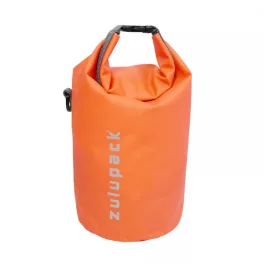


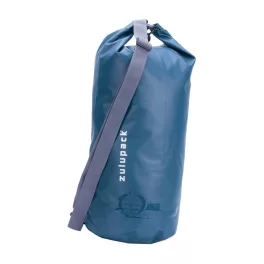

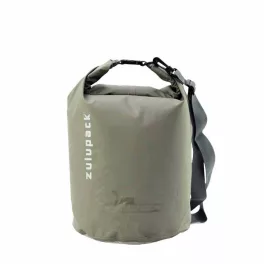

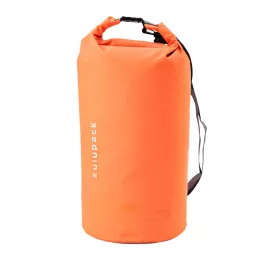
What Is a Roll-Top Bag?
A roll-top bag is a bag or backpack with a main compartment that closes by rolling down the upper section of the bag. Once the opening has been brought together, the top is rolled several times and secured with buckles. This characteristic closure gives the roll-top design its name.
Roll-top closures are widely used on bags designed for watersports, hiking, cycling, motorcycling and outdoor adventures, as well as on classic dry bags intended to protect equipment in wet environments.
How Does a Roll-Top Closure Work?
Correct closure is essential for a roll-top system to perform as intended. On Zulupack® roll-top models, the top of the bag should be rolled tightly at least three times before the buckles are securely fastened.
Before closing the bag, check that there is no sand, dirt or other debris around the closure that could interfere with an even roll. Avoid overpacking the bag to the point where there is not enough material left at the top to complete the required number of rolls.
What Are the Advantages of a Roll-Top Bag?
The simple construction of a roll-top closure offers several practical advantages. The main compartment usually opens wide for easy packing, while the closure itself does not require a long zipper. Depending on the design, the rolled upper section may also provide some flexibility in the shape and overall packed size of the bag.
The roll-top concept is particularly well suited to the construction of bags with a high level of water protection. However, a roll-top closure alone does not make a bag waterproof.
Are All Roll-Top Bags Waterproof?
No. A roll-top closure alone does not guarantee that a bag is waterproof. Actual water protection depends on the entire construction of the product, including its materials, seams or welded joints, closure system and the way these elements work together.
If you are choosing a bag for watersports or situations where it may be exposed to significant amounts of water, do not rely solely on the words “roll top”. Check the IP rating of the individual model, as this provides more precise information about its level of protection against water and solid particles.
Roll-Top vs Zippered Bags – Which Should You Choose?
The difference between a roll-top and a zippered bag is not simply that one can be waterproof and the other cannot. With the right construction, both closure systems can provide a high level of water protection.
A roll-top closure eliminates the need for a long zipper across the opening of the main compartment, which is one reason this design is frequently used for high-protection outdoor bags and dry bags. A zippered opening, on the other hand, can provide faster and more direct access to the contents of a bag and may therefore be more convenient for other types of use.
The Zulupack® range demonstrates why water protection should not be judged by the closure alone. Alongside roll-top products, the range also includes zippered bags with high IP ratings, including IP66 Fit models and IP67 Froggy waist packs.
When choosing between the two designs, consider how you intend to use the bag, how quickly you need to access its contents and what level of water protection your activity requires. For a meaningful comparison of water protection, always check the IP rating of the individual model.
What Are Roll-Top Bags Used For?
Thanks to their versatile design, roll-top bags can be practical for everything from everyday commuting to outdoor adventures and watersports. The right choice depends on the capacity, carrying system, features and level of water protection required for your activity.
Paddleboarding, Kayaking and Canoeing
During watersports, equipment may regularly be exposed to splashes and there is always the possibility of a bag ending up in the water. For these activities, choose a waterproof roll-top bag or backpack with an IP rating appropriate for the expected conditions.
Boating and Sailing
On board a boat, equipment can be exposed to spray, waves and changing weather conditions. Roll-top bags are particularly practical for boating and sailing thanks to their straightforward closure and easy-to-pack design.
Hiking and Outdoor Adventures
A roll-top backpack can help protect your equipment from rain, mud and dust while you're outdoors. For hiking and longer adventures, also consider the carrying system, shoulder straps, back panel, capacity and external attachment options.
Cycling and Motorcycling
On a bicycle or motorcycle, your bag may be directly exposed to rain and road spray. A roll-top backpack with an appropriate level of water protection can be a practical option for commuting, day trips and longer journeys.
Travel and Everyday Use
Roll-top bags are not limited to demanding outdoor conditions. A roll-top backpack can also be practical for travelling, commuting and everyday urban use, particularly when you want additional protection for your belongings in bad weather.
Roll-Top Backpack or Dry Bag?
Although both may use the same basic roll-top closure, a roll-top backpack and a traditional dry bag are not necessarily designed for the same purpose.
A backpack may place greater emphasis on carrying comfort, padded shoulder straps, back-panel design, organisation and external attachment points. These features can be particularly useful for hiking, cycling, motorcycling or any activity where you carry the bag on your back for extended periods.
A traditional dry bag is generally a simpler storage solution designed primarily to help protect equipment from water. Dry bags are particularly useful in kayaks, canoes, on paddleboards, boats and in other watersports environments.
There can also be considerable overlap between the two categories. Some dry bags feature shoulder straps or backpack-style carrying systems, so the best choice ultimately depends on the construction and intended use of the individual product.
How to Choose a Roll-Top Bag or Backpack
Capacity is important, but it should not be the only factor when choosing a roll-top bag. Consider where you will use it, how long you expect to carry it and what equipment you need to take with you.
For watersports, the IP rating can be particularly important. For hiking and extended carrying, comfort and capacity may take priority, while for cycling and motorcycling a stable fit and protection from changing weather conditions may be key considerations.
Also compare the materials, weight, internal and external pockets, attachment points and carrying options of individual models to find the design best suited to your activity.
Zulupack® Roll-Top Bags & Backpacks
The Zulupack® roll-top range includes bags, backpacks and dry bags in different sizes and designs for active use. Whether you're heading out on the water, hiking, cycling, motorcycling or travelling, you can choose a roll-top solution designed for your type of adventure.
Compare the capacity, carrying system, materials, features and IP rating of individual models to find a Zulupack® roll-top bag or backpack that matches the way you intend to use it.
Frequently Asked Questions About Roll-Top Bags
What is a roll-top bag?
A roll-top bag has a main compartment that closes by rolling down the upper section of the bag several times and securing it with buckles. The design is commonly used for outdoor bags, waterproof bags and dry bags.
Are all roll-top bags waterproof?
No. A roll-top closure alone does not make a bag waterproof. The actual level of water protection depends on the complete construction of the bag, so check the IP rating of the individual model when water protection is important.
How many times should you roll a Zulupack® roll-top closure?
For correct closure of Zulupack® roll-top models, the upper section should be rolled tightly at least three times before the buckles are securely fastened.
What is the difference between a roll-top backpack and a dry bag?
A roll-top backpack is generally designed with greater emphasis on comfortable carrying, while a traditional dry bag is primarily designed for storing and protecting equipment in wet environments. However, there is some overlap, and certain dry bags also feature backpack-style carrying systems.
Is a roll-top bag good for paddleboarding or kayaking?
Yes, provided the model offers a suitable level of water protection. For paddleboarding, kayaking and other watersports, choose a roll-top bag with an IP rating appropriate for the expected exposure to water.
What size roll-top bag should I choose?
The right capacity depends on how much equipment you need to carry. A smaller bag may be sufficient for short activities, while day trips, travel or larger amounts of gear may require a higher-capacity model. Check both the volume in litres and the dimensions of the individual bag.